


Blog Posts
India’s Dental Advertising Rules: What Dentists Can and Cannot Post on Social Media
Introduction
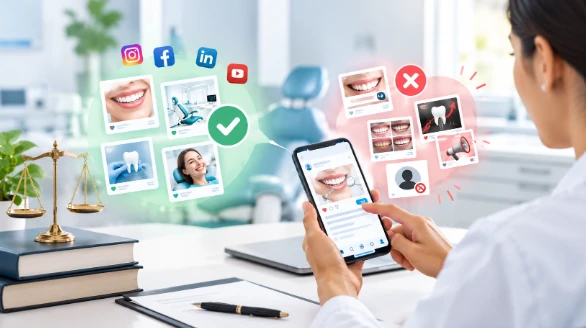
Social media and digital platforms help dental clinics educate patients, share information about treatments, and maintain communication with their communities. However, dentists must ensure that their online activities comply with applicable professional ethics, privacy requirements, and advertising regulations.
India’s dental advertising framework is particularly important for dentists who use Instagram, Facebook, YouTube, Google Business Profile, clinic websites, and paid advertising to promote their services.
Rabboni Dental Marketing supports dental clinics with digital visibility, content planning, and responsible online communication. Clinics looking for dental marketing services in Kochi should understand that effective marketing is not simply about attracting more patients. It also involves communicating accurate information, respecting patient confidentiality, and maintaining professional credibility.
This guide explains what dental clinics should review before publishing content online, how to handle patient photographs and reviews, and how marketing teams can support responsible digital communication.
Table of Contents
- Understanding India’s Dental Advertising Rules
- What Can Dentists Post on Social Media?
- What Should Dentists Avoid Posting?
- Rules for Patient Photos and Videos
- How to Share Patient Feedback Responsibly
- Can Dental Clinics Use Google Ads and Website Promotions?
- A Practical Digital Marketing Compliance Checklist
- How Can Social Media Management Help Dental Clinics?
- How Should Dental Clinics Handle Patient Reviews?
- How Can a Dental Lead Generation Company Help a Clinic?
- Conclusion
- Frequently Asked Questions
1. Understanding India’s Dental Advertising Rules
Dental advertising rules aim to maintain professional standards and protect patients from misleading healthcare claims.
The National Dental Commission Act, 2023, and applicable professional conduct requirements should be considered alongside relevant directions issued by the competent regulatory authority.
The Dental Council of India has published a notice dated 14 October 2026 concerning unethical social media promotion and advertising by registered dentists. Dentists should consult the original notice to understand its specific requirements and scope.
Official reference: Read the notice on the Dental Council of India website.
Before publishing or continuing an online campaign, dental professionals should:
- Review the applicable professional conduct and advertising requirements.
- Check whether existing social media posts and promotional materials remain appropriate.
- Ensure that clinical claims are accurate and supported by reliable evidence.
- Protect patient confidentiality and personal information.
- Consult the original regulatory notice when deciding whether specific promotional activities are permissible.
General marketing recommendations should not be confused with the exact legal requirements of a particular advisory. When a post raises a regulatory concern, clinics should seek appropriate professional or legal guidance.
2. What Can Dentists Post on Social Media?
Social media can be useful for sharing oral health information and helping patients understand dental care.
Depending on the applicable professional rules, appropriate informational content may include:
- Oral hygiene tips and preventive dental care advice.
- General explanations of dental procedures.
- Educational information about gum health, cavities, and tooth sensitivity.
- Clinic location, contact information, and working hours.
- Factual information about registered dental professionals and their qualifications.
- General answers to common questions about dental treatment.
- Information that helps patients prepare for routine dental appointments.
For example, a clinic could publish an educational post explaining why regular dental check-ups are important or how to brush correctly.
Content should be medically accurate, understandable, and free from unsupported promises. Clinics should also review whether promotional elements, calls to action, and the proposed use of the content comply with applicable professional requirements.
3. What Should Dentists Avoid Posting?
Dental clinics should carefully review content that could mislead patients, compromise confidentiality, or conflict with professional ethics.
Guaranteed treatment outcomes
Avoid unsupported promises that a procedure will produce a particular result for every patient. Treatment outcomes can vary depending on individual clinical circumstances.
Misleading comparisons
Content that unfairly compares one dentist or clinic with another may create misleading impressions and raise professional concerns.
Unsupported clinical claims
Claims about treatment effectiveness, success rates, superiority, or clinical benefits should be accurate and appropriately supported.
Exaggerated promotional messages
Avoid statements that create unrealistic expectations or imply that a particular treatment is suitable for everyone.
Patient information without appropriate authorisation
Do not publish identifiable patient photographs, videos, medical details, or treatment information without appropriate authorisation and compliance with applicable privacy and professional requirements.
Potentially unethical promotional activities
Before publishing discounts, offers, paid advertisements, testimonials, or other promotional materials, check the relevant professional requirements. Do not assume that a marketing technique is acceptable simply because another clinic uses it.
The exact restrictions should be assessed against the applicable regulations and official directions rather than inferred from general marketing advice alone.
4. Rules for Patient Photos and Videos
Patient photographs and videos may reveal personal information, dental conditions, treatment details, or other sensitive information.
Dental clinics should take particular care before using this material on social media, websites, advertisements, or other public platforms.
Responsible practices include:
- Explain the intended use of photographs or videos to the patient.
- Obtain appropriate informed consent where required.
- Specify whether the content may appear on social media, websites, educational materials, or advertisements.
- Protect recordings, photographs, and associated patient information from unauthorised access.
- Avoid revealing identifying or treatment-related details unnecessarily.
- Respect a patient’s decision not to participate in photography or video recording.
- Follow applicable privacy requirements and professional regulations.
Are before-and-after dental photographs allowed?
Before-and-after photographs may communicate clinical information, but their use requires careful consideration of professional advertising rules, patient privacy, consent, and the risk of creating unrealistic expectations.
Consent alone does not automatically make every promotional use permissible. Dentists should verify whether the intended publication is allowed under the applicable professional requirements before posting such material.
5. How to Share Patient Feedback Responsibly
Patient feedback can help clinics understand patient experiences and identify areas for improvement. However, using patient feedback as promotional content requires care.
Dental clinics should:
- Avoid inventing testimonials or altering comments in ways that change their meaning.
- Never pressure patients to provide positive reviews.
- Protect confidential treatment information.
- Avoid presenting an individual patient’s experience as a guaranteed result for others.
- Verify whether republishing reviews or testimonials for promotional purposes is permitted under applicable professional rules.
- Follow the relevant platform’s policies on reviews and endorsements.
A review that appears on a public platform is not automatically available for every type of promotional use.
Clinics should distinguish between collecting feedback to improve services and using that feedback to advertise clinical treatments. Where the regulatory position is unclear, obtain appropriate professional guidance before republishing patient comments.
6. Can Dental Clinics Use Google Ads and Website Promotions?
Dental clinics should assess their websites, Google Ads campaigns, landing pages, and other online promotional activities against applicable professional requirements and platform policies.
A clinic website may provide factual information about the practice, its location, working hours, available services, and registered professionals, subject to the relevant rules.
Before launching a digital campaign, clinics should:
- Review all claims about treatment outcomes and clinical benefits.
- Avoid misleading statements and unsupported comparisons.
- Check whether promotional offers and pricing claims are appropriate under applicable rules.
- Ensure that website information is accurate and current.
- Protect personal information collected through appointment forms and other online channels.
- Review both professional regulations and the applicable advertising platform policies.
A platform allowing an advertisement to run does not establish that the advertisement complies with professional dental ethics.
Clinics should therefore review the content, targeting, claims, and landing page before launching a campaign.
7. A Practical Digital Marketing Compliance Checklist
Before publishing a post, reel, advertisement, or website update, dental clinics can use the following checklist.
Accuracy
- Is the clinical information accurate?
- Are treatment claims supported by reliable evidence?
- Does the content avoid misleading promises?
Professional ethics
- Does the content comply with applicable dental advertising requirements?
- Have relevant official directions been reviewed?
- Are promotional elements appropriate?
Patient privacy
- Does the content reveal identifiable patient information?
- Has the intended use of patient material been appropriately authorised?
- Is confidential information protected?
Patient feedback
- Is the feedback genuine?
- Is the proposed promotional use permitted?
- Does the content avoid misleading implications about treatment outcomes?
Advertising and website content
- Have claims, offers, and calls to action been reviewed?
- Is the landing page consistent with the advertisement?
- Have platform policies been considered separately from professional rules?
Final approval
- Has the responsible dentist reviewed the content where appropriate?
- Is there a process for correcting or removing problematic content?
- Is the original regulatory guidance available for reference?
A consistent review process can help clinics identify concerns before content becomes public.
8. How Can Social Media Management Help Dental Clinics?
A social media management service can help dental clinics plan, organise, and review their digital content.
Support may include:
- Developing an educational content calendar.
- Preparing oral health posts and general treatment explanations.
- Reviewing captions for clarity and potentially misleading claims.
- Managing general enquiries and comments professionally.
- Organising a content approval process.
- Monitoring engagement and evaluating content performance.
- Maintaining consistent and accurate clinic information.
Marketing professionals should work within the boundaries of their role. Clinical claims and treatment-related information should be reviewed by appropriately qualified dental professionals.
Rabboni Dental Marketing helps clinics improve their digital presence through structured marketing activities and content planning.
Clinics seeking dental marketing services in Kochi can explore Rabboni Dental Marketing to learn more about its services.
Marketing support should complement, not replace, the dentist’s responsibility to comply with professional regulations.
9. How Should Dental Clinics Handle Patient Reviews?
Reviews from patients can provide feedback about communication, appointment scheduling, staff interactions, and the overall clinic experience.
Clinics should respond politely and professionally to both positive and negative reviews.
Responsible review management includes:
- Thanking patients for sharing their experiences.
- Responding calmly to complaints.
- Avoiding the disclosure or confirmation of confidential treatment details in public replies.
- Offering an appropriate private contact method when further discussion is needed.
- Never creating fake reviews or misrepresenting patient experiences.
- Reviewing applicable rules before republishing reviews in promotional materials.
Example of a professional response to a negative review
“Thank you for sharing your feedback. We take patient concerns seriously and would appreciate the opportunity to understand your experience better. Please contact our clinic directly so that our team can assist you appropriately.”
This approach acknowledges the concern without disclosing private information or discussing clinical details publicly.
For further insights into digital marketing challenges faced by dental practices, read Why Dental Clinics Fail at Marketing in India.
10. How Can a Dental Lead Generation Company Help a Clinic?
A dental lead generation company helps clinics understand how potential patients discover their services and make appointment enquiries through digital channels.
Depending on the services provided and the applicable regulations, support may include:
- Improving the clarity and usability of clinic websites.
- Making contact information and appointment procedures easy to find.
- Developing useful informational content.
- Improving local search visibility.
- Analysing enquiry sources and website performance.
- Reviewing marketing messages for accuracy and professional appropriateness.
- Helping clinics understand which digital channels generate relevant enquiries.
Lead generation should focus on clear information and responsible communication rather than exaggerated claims or inappropriate promotional techniques.
Clinics should also ensure that enquiry forms and marketing systems handle personal information appropriately.
When choosing a dental lead generation company, consider its experience with healthcare marketing, its content review process, its approach to patient privacy, and its willingness to work within applicable professional guidelines.
Conclusion
Social media, websites, and digital platforms can help dental clinics educate the public and communicate useful information about their services. However, online visibility must be balanced with professional responsibility.
Dentists should review applicable advertising rules, protect patient confidentiality, assess the use of photographs and testimonials carefully, and avoid unsupported clinical claims.
A clear content approval process can help clinics identify potential problems before publishing.
For clinics working with marketing agencies, responsible collaboration is essential. The agency can support content planning and digital visibility, while the dental professional remains responsible for ensuring that clinical information and professional conduct meet the applicable requirements.
Need help improving your dental clinic’s online presence?
Explore Rabboni Dental Marketing for information about digital marketing support for dental clinics.
Disclaimer: This article provides general informational guidance and is not legal advice. Dentists should consult the original official advisory and applicable professional regulations before making decisions about specific advertising or promotional activities.
Turn more website visitors into loyal patients with the right dental marketing strategy.
F.A.Q.
Dentists can use digital platforms to share oral health information, subject to applicable professional requirements. Content should be accurate, informative, and not misleading.
Clinics should consider informed consent, patient privacy, the intended use of the photographs, and applicable professional regulations. Consent alone does not establish that every promotional use is permitted.
Dentists should avoid unsupported guarantees and misleading claims that create unrealistic expectations about treatment outcomes.
Clinics can respond professionally to patient feedback while protecting confidential information and complying with relevant professional and platform requirements.
The permissibility of using patient testimonials for promotional purposes should be checked against applicable dental professional regulations and official directions. A publicly available review should not automatically be treated as permissible advertising material.
Clinics should review applicable professional requirements and Google Ads policies before launching campaigns. Platform approval does not automatically establish compliance with professional ethics.
Check the accuracy of the information, review the relevant professional requirements, protect patient privacy, assess promotional claims, and obtain appropriate approval before publication.
A marketing agency can help organise content, review communication, maintain accurate website information, and establish a content approval process. The agency should work with the dentist and should not replace professional judgment.
